


The Art of Nature Photography
- Johnny Di

- Apr 3, 2024
- 4 min read
Capturing the Raw Beauty of the Outdoors
Nature photography is an exhilarating pursuit, offering endless opportunities to capture the untouched beauty of the world around us. From the intricate patterns of a dewdrop to the vast expanse of landscapes, your DSLR or camera is your key to unlocking the visual treasures of the natural world. Here are some tips and tricks to help you capture the essence of nature, along with some interesting facts to inspire your next outdoor photography adventure.

"In wisdom gathered over time I have found that every experience is a form of exploration." Ansel Adams
Understanding Your Equipment
Master Your Gear: Knowing the ins and outs of your camera is crucial. Whether you're using a DSLR, a mirrorless camera, or even a smartphone, understanding its capabilities and settings (such as ISO, aperture, and shutter speed) can significantly impact the quality of your photos.
Lens Selection: Different scenes call for different lenses. A wide-angle lens is perfect for capturing landscapes, while a macro lens is ideal for close-up shots of flora and fauna. A telephoto lens, on the other hand, can help you photograph wildlife from a safe distance.
Composition and Technique

Rule of Thirds: This classic composition technique involves dividing your image into nine equal segments by two vertical and two horizontal lines. Placing your subject along these lines or their intersections can create a more engaging photo.
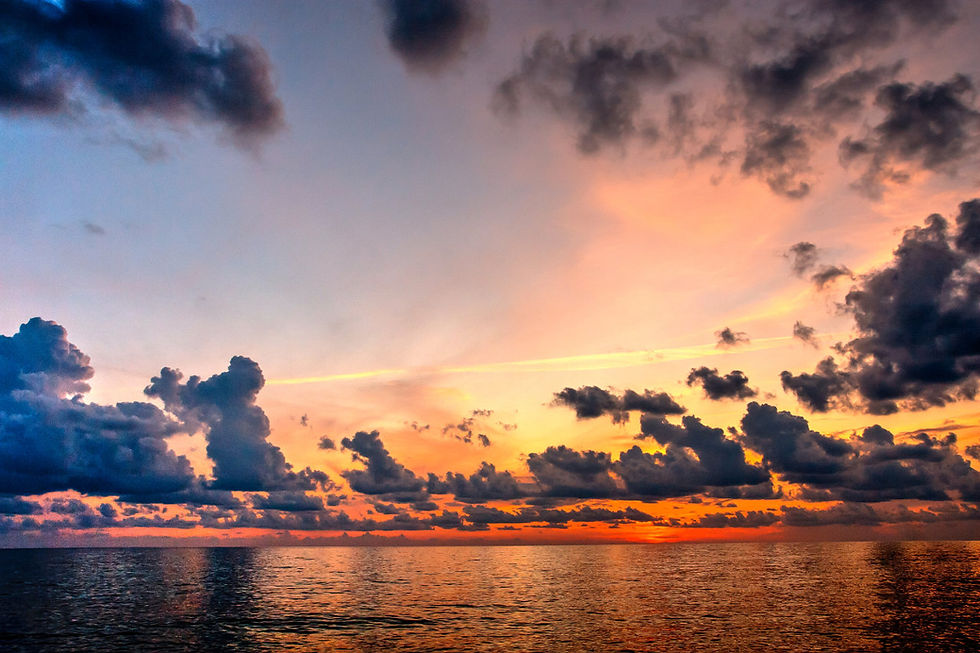
Lighting: Natural light is a key element in nature photography. The golden hours—shortly after sunrise or before sunset—offer soft, warm light that can add a magical quality to your images.
Stability is Key: Use a tripod or find a stable surface to eliminate camera shake, especially in low-light conditions or when capturing long exposures.
Capturing the Essence of Nature
Patience Pays Off: Nature operates on its own schedule. Waiting for the right moment, whether it’s for the perfect light or for an animal to appear, can make all the difference in your photography.

Respect Your Subject: Always maintain a safe and respectful distance from wildlife. Remember, you’re a visitor in their home.
Explore Different Perspectives: Don’t be afraid to experiment with angles and perspectives. Sometimes, a change in viewpoint can turn a good photo into a great one.
Embracing the Elements

Weather Wisdom: Don't shy away from inclement weather. Overcast skies can reduce harsh shadows in your photos, and mist or fog can add a mysterious or ethereal quality to landscapes. Rain can enrich the colors of nature, making them pop in your photos.
Seasonal Splendor: Each season offers a unique palette and mood. The vibrant greens of spring, the rich colors of autumn, the stark beauty of winter, and the golden tones of summer all provide distinct opportunities for capturing nature's diversity.
Ethical Photography
"In every walk with nature, one receives far more than he seeks." John Muir
Leave No Trace: When photographing in natural settings, it's crucial to follow the principles of Leave No Trace. This means staying on designated paths, not disturbing wildlife or their habitats, and leaving areas as you found them.
Share with Sensitivity: When sharing photos, especially of sensitive or endangered species and habitats, consider the impact. Avoid geotagging specific locations that could lead to overcrowding or harm to the environment.

Advanced Techniques
Experiment with Exposure: Playing with different exposures can yield dramatic results, especially in landscape photography. Long exposures can smooth out water or capture the trails of stars, while faster exposures can freeze the motion of a waterfall or a bird in flight.
Focus on Details: Sometimes, the most compelling nature photos are those that focus on the small details. A close-up of a leaf, the texture of bark, or the pattern of a butterfly's wings can reveal the intricate beauty of nature that often goes unnoticed.
Continuous Learning
Educate Yourself: Nature photography is a field where you never stop learning. Attend workshops, read photography books, join online forums, and follow experienced photographers to gain insights and inspiration.
Practice Mindfulness: Photography is not just about capturing what you see; it's about capturing how you feel. Practice being present and mindful in nature. This connection can deeply influence the energy and emotion conveyed in your photographs.
Interesting Fact
The Blue Hour: Just before sunrise and shortly after sunset, there's a period known as the blue hour. The indirect sunlight creates a blue-toned and evenly diffused light. This time is ideal for capturing the serene and subtle moods of landscapes.

Final Thoughts
Nature photography not only allows us to preserve the beauty of the moment but also reminds us of the importance of conserving our natural world. With each photo, we have the opportunity to share and inspire others to appreciate and protect our planet.
Remember, the best camera is the one you have with you. Whether you’re a seasoned photographer or just starting out, the most important thing is to get out there and explore the beauty that nature has to offer.
Happy shooting!
Cheers
Johnny-Di
Gear used:
Canon EOS 30D
Canon EOS 70D
Canon EOS 90D
Tamron AF 17-50mm f/2.8 Di-II LD Aspherical
Canon EF-S 10-18mm f/4.5-5.6 IS STM
Canon EF-S 55-250mm f/4-5.6 IS STM



Comments