


The Art of Nature Photography
- Johnny Di

- May 9, 2024
- 4 min read
Tips for Capturing the Raw Beauty of Nature

Hello, fellow nature lovers and photography enthusiasts! Today, we’re venturing into the mesmerizing realm of nature photography, a genre that not only inspires awe but also challenges our skills as photographers. Whether you’re aiming to capture sweeping landscapes or the intricate details of a dewdrop, the art of photographing nature demands patience, passion, and a keen eye for detail. Let's delve into some effective tips and techniques that will help you capture the stunning beauty of the natural world through your lens.
"In wisdom gathered over time I have found that every experience is a form of exploration." Ansel Adams
Understanding Light
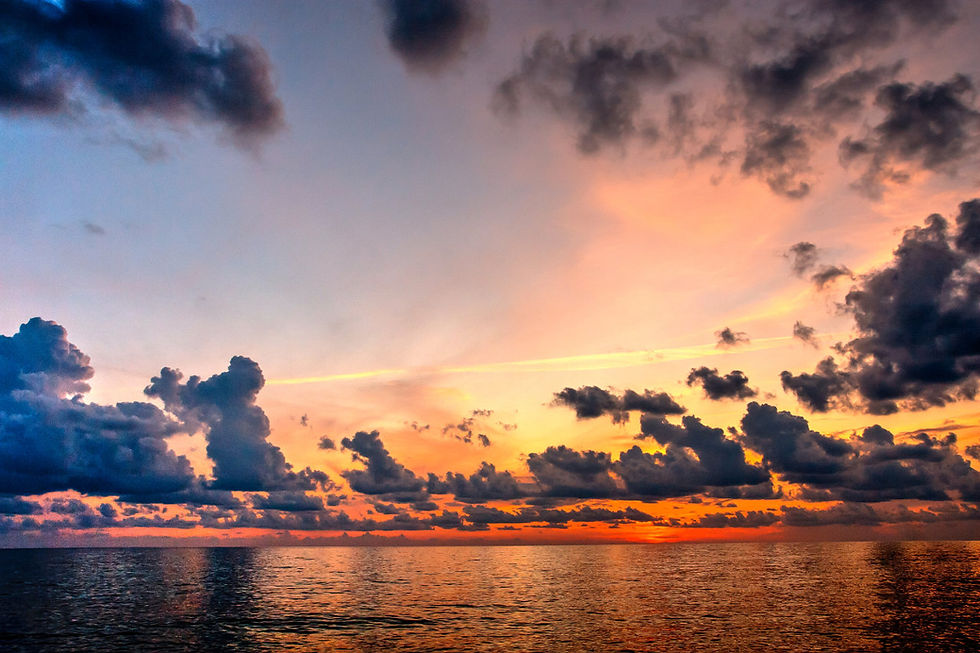
Light is the cornerstone of photography, and its quality greatly influences the impact of your images. The golden hours—just after sunrise and just before sunset—provide soft, diffused light that enhances textures and colors, and imbues landscapes with a magical quality. Ansel Adams, a master of landscape photography, famously said, “You don’t take a photograph, you make it.” Learning to harness light effectively will elevate your photos from simple snapshots to evocative images. Experiment with different lighting conditions to understand how the angle and intensity of light affect your subjects. Even the harsh midday light, often avoided, can be used to capture high-contrast scenes and emphasize rugged landscape textures.

Mastering Composition
Good composition is essential for creating compelling images. The rule of thirds is a classic composition technique: imagine your frame divided into nine equal parts by two equally spaced horizontal lines and two equally spaced vertical lines. Placing your subject at the intersections of these lines can create a more balanced and engaging photo. Additionally, consider other compositional elements such as balance, framing, and perspective. For instance, using natural frames like tree branches or rock formations can add depth to your images. Also, changing your perspective by shooting from different heights or angles can reveal stunning new aspects of common subjects.

The Magic of Macro
Macro photography opens up a world of detail and is especially enchanting in nature photography. Capturing close-up images of insects, flowers, and other small subjects allows you to explore the intricacies of nature that might otherwise go unnoticed. When shooting macro, stability is key—using a tripod will help prevent any unwanted camera shake and maintain sharp focus. Additionally, consider the depth of field; a shallow depth can beautifully blur the background and make your subject stand out, but ensuring enough detail is sharp is crucial for impact. Lighting in macro photography can also be challenging, as traditional sources can be too harsh. Using a diffuser or shooting on overcast days when the light is naturally diffused can result in beautifully lit shots.

Wide-Angle Wonders
Wide-angle lenses are invaluable for landscape photography. They allow you to capture expansive scenes and convey the grandeur of nature. When using a wide-angle lens, incorporating an element in the foreground can add a sense of scale and depth. It’s important to manage the depth of field effectively; typically, you’ll want everything from the foreground to the background in sharp focus. Achieving this often requires using smaller apertures. Additionally, be mindful of lens distortions which can warp straight lines near the edges of your frame, altering the natural appearance of landscapes.

The Importance of Patience
Patience is perhaps the most essential skill in nature photography. The willingness to wait for the perfect lighting, for the wind to still, or for an animal to emerge into view can make the difference between a good photo and a great one. Wildlife photographer Frans Lanting beautifully encapsulated this idea when he said, “I like animals. I like natural history. The travel bit is not the important bit. The animals are.” Embrace these moments of waiting as an opportunity to connect with nature and observe details you might otherwise miss.

Post-Processing
Post-processing is a powerful tool to refine your photos and bring out their best qualities. Adjusting exposure, contrast, and color balance can help you better convey the scene as you experienced it. Tools like dodging and burning, which allow you to selectively brighten or darken areas of an image, can direct the viewer’s attention and enhance the storytelling aspect of your photos. Remember, the goal of post-processing should be to enhance and clarify your vision, not to completely alter the reality of the scene.

Engaging with Your Environment
While capturing the beauty of nature, it’s crucial to interact with the environment responsibly. Adhere to principles like leaving no trace, not disturbing wildlife, and respecting local conservation laws. By fostering a respectful relationship with nature, you ensure that its beauty can be preserved for future generations to enjoy and photograph.

In conclusion, nature photography is a fulfilling pursuit that challenges you to see the world differently and appreciate the incredible beauty of the natural environment. With your camera in hand and these tips in mind, step outside and let the beauty of the natural world inspire your next photographic masterpiece.
Happy shooting!
Cheers
Johnny-Di
Gear used:
Canon EOS 30D
Canon EOS 70D
Canon EOS 90D
Tamron AF 17-50mm f/2.8 Di-II LD Aspherical
Canon EF-S 60mm f/2.8 Macro USM
Canon EF-S 10-18mm f/4.5-5.6 IS STM
Canon EF-S 17-55mm f/2.8 IS USM
Canon EF-S 55-250mm f/4-5.6 IS STM



Comments